Google Tag

Showing posts with label Off-Road. Show all posts

Friday, June 5, 2026

Bucket Seat: Suzuki Jimny 5-Door GL Manual


The Suzuki Jimny has long been a fan favourite in South Africa with it having its own fan club and multiple groups that plan Jimny events around the country. The number of accessories and modifications one can do to their Jimny has even expanded. Apart from the appealing price point, the Suzuki Jimny is one of those cars that is genuinely fun to drive because it has so much personality compared to most SUV's on the market today. I got to spend time with the updated GL 5-door model recently and during my time with it did some long distance driving to see how it compared to the launch 5-door model. 


DESIGN

The Suzuki Jimny 5-Door GL Manual is one of those rare vehicles that immediately stands out on South African roads without trying too hard. While most modern SUVs have moved toward rounded shapes and overly futuristic styling, the Jimny stays true to its roots with its boxy proportions, upright stance and old-school off-road design. The extended wheelbase of the 5-door model adds practicality without ruining the charm of the original 3-door version. In fact, the longer body actually makes it look more balanced and purposeful. The flat bonnet, circular headlights, chunky wheel arches and vertical grille give it genuine character, almost like a miniature G-Wagon designed for real-world adventures rather than social media appearances. The GL trim keeps things simple and rugged, which honestly suits the Jimny’s personality perfectly. It looks functional, durable and unapologetically mechanical in a market full of soft-looking crossovers.


PERFORMANCE

Under the bonnet sits Suzuki’s familiar 1.5-litre naturally aspirated petrol engine producing 75 kW and 130 Nm, paired to a 5-speed manual gearbox. On paper, those numbers don’t sound impressive, especially considering the added size and weight of the 5-door model, but the Jimny has never been about outright speed. Around town, the lightweight construction and short gearing make it feel lively enough, while the manual gearbox adds a level of engagement that many modern SUVs have lost. On the highway, however, the Jimny starts to show its limitations. Overtaking requires planning and the engine can feel strained at higher speeds, particularly when fully loaded. But where the Jimny completely redeems itself is off-road. Thanks to its ladder-frame chassis, low-range gearbox and Suzuki’s ALLGRIP PRO four-wheel-drive system, this little SUV is capable of tackling terrain that would leave many larger and more expensive SUVs struggling. It’s not fast, but it feels honest and incredibly capable when taken off the beaten path.


COMFORT

Comfort is probably the biggest compromise you make when buying a Jimny. The cabin is practical rather than luxurious, with hard plastics throughout and a design focused more on durability than premium feel. That being said, the 5-door version significantly improves everyday usability compared to the smaller 3-door model. Rear passengers finally have proper space and getting into the back seats is no longer a gymnastic exercise. The upright seating position and large windows create excellent visibility, which makes the Jimny feel easy to drive in urban environments. Ride quality, however, remains fairly firm and bouncy due to the solid axle suspension setup. On rough roads and gravel, it feels completely at home, but on highways you’ll notice wind noise and body movement more than you would in a traditional crossover. Long-distance comfort isn’t its strongest point, but for weekend trips, city driving and outdoor adventures, the Jimny still manages to feel charming rather than uncomfortable.


TECHNOLOGY

The Jimny 5-Door GL Manual keeps technology relatively simple, but it covers all the essentials modern buyers expect. The infotainment system includes a touchscreen display with Apple CarPlay and Android Auto connectivity, along with Bluetooth, USB functionality and steering-mounted controls. You also get rear parking sensors and a reverse camera, which help compensate for the upright design when parking in tighter spaces. While the system itself isn’t as flashy or advanced as some of the newer Chinese rivals entering the South African market, it remains easy to use and functional. Safety features include ABS, electronic stability control, hill-hold assistance and dual airbags, which are acceptable for this segment, although some competitors now offer more advanced driver assistance technologies. The Jimny’s technology approach feels very similar to the rest of the vehicle simple, practical and focused on functionality rather than trying to overwhelm drivers with unnecessary features.


VERDICT

The Jimny offers something those vehicles simply cannot replicate personality. It feels authentic in a world where most SUVs have become overly polished and emotionally disconnected. The combination of timeless design, genuine off-road capability and everyday usability makes the 5-door Jimny one of the most unique vehicles currently available in the South African market. It’s a car you buy because you love what it represents, not because it wins every comparison test. And for buyers who value character, adventure and individuality over outright refinement, the Jimny remains incredibly easy to fall in love with.


SPECIFICATIONS

Engine
1.5-liter Naturally Aspirated
Gear Box                 
5-Speed Manual
Power
77kW
Torque
138Nm
Fuel Economy        
6.4L per 100km
Price
R439,000.00


Monday, November 3, 2025

Bucket Seat: Volvo EX30 Cross Country becomes the first fully electric vehicle to conquer Sani Pass


56 years after the first Volvo made the climb, the all-electric EX30 Cross Country proves that EVs can tackle South Africa’s toughest terrain—powered by the country’s highest solar-powered charger. 

Volvo Car South Africa is closing Transport Month with a historic milestone in electric mobility: the EX30 Cross Country has become the first fully electric vehicle (BEV) to successfully ascend Sani Pass, one of South Africa’s most iconic and demanding mountain routes. Stretching through the majestic Drakensberg Mountains, Sani Pass has long separated ordinary vehicles from those built to endure, testing resilience, power, and control. Now, for the first time, an electric vehicle has conquered its challenging slopes, proving that sustainable mobility can thrive in even the most extreme conditions. 

Sani Pass is more than just a road; it is a trail steeped in history. Decades before engines ever roared up its steep gradients, Basotho shepherds traversed the mountains to trade livestock and goods, navigating narrow, twisting paths that demanded courage and determination. In 1969, the first Volvo ascended the trail, showcasing the engineering and endurance that would come to define the brand for decades to come. Fast forward 56 years, and the EX30 Cross Country completes the same ascent—this time powered entirely by electricity—underscoring the progress of automotive technology. 

Small but formidable, the EX30 Cross Country’s compact size belies its capability. Combining rugged design with environmentally conscious engineering, this 315 kW electric SUV was designed to handle both urban streets and demanding mountain passes, and proves that electric vehicles do not mean sacrificing adventure. During the ascent, the EX30 Cross Country navigated steep gradients, hairpin bends, and rocky terrain with precision and composure, demonstrating that EVs can confidently tackle landscapes once considered exclusive to combustion engines. 

Adding to the significance of this milestone is the installation of South Africa’s highest solar-powered EV charger, located just below Sani Pass at 1,566 metres. Installed for Volvo at Premier Resort Sani Pass by CHARGE, the unit enabled a fully solar-to-solar journey for the EX30 Cross Country. This initiative proves that exploring remote natural landscapes can be done sustainably, with clean energy supporting mobility in some of the country’s most iconic locations.

“The ascent of Sani Pass by the EX30 Cross Country is a defining moment for electric mobility in South Africa,” said Grant Locke, Managing Director of VCSA. “It demonstrates that electric vehicles can tackle the most challenging terrain, and that clean, sustainable energy can power adventure in even the most remote and rugged locations.”

Locke added that this historic journey also marks a moment to reflect on the evolution of exploration and innovation. “From the Willys Jeep ascents of the mid-20th century to endurance tests and modern performance trials, Sani Pass has always been a stage for determination and ingenuity. The EX30 Cross Country now joins this line of milestones, demonstrating that electric power can deliver both capability and sustainability, bridging decades of motoring history while paving the way for a cleaner, more adventurous future. 

Looking ahead, “CHARGE is proud to have partnered with Volvo and the Premier Hotels & Resorts for this momentous occasion,  driving sustainability as we migrate to NEVs. The solar-powered charger at Premier Resort Sani Pass will be upgraded in Q2 of 2026 with battery backup capabilities to allow for overnight charging, and therefore enhancing its capabilities even further,” commented Joubert Roux, Founder of CHARGE.

Volvo’s ongoing commitment to innovation, sustainability, and expanding the possibilities of adventure continues to open new horizons for drivers, proving that owning an EV does not limit exploration—it redefines it.

Friday, August 1, 2025

Bucket Seat: Renault Duster


The Renault Duster has been a market disrupter in the segment since its launch back in the early 2000’s, the French brand was coming into the segment still wet behind the ears but what they managed to achieve in the Duster was something remarkable, a robust off-road vehicle that was a decent size but being a fraction of the cost of anything that was remotely close to it’s competition. Yes there were the likes of the Suzuki Jimny which was the leader in the market for an affordable 4x4 but now some competition in the form of the Duster came into the play but you can’t really call it competition as the two still remain very vast in their offerings. 


DESIGN

The new Duster presents a much bolder and muscular exterior compared to its predecessor. Its design is defined by a prominent grille bearing the new Renault script, signature Y‑shaped LED daytime running lights, sculpted bonnet lines, flared wheel arches, and flush-mounted rear door handles, giving it a rugged yet refined silhouette. Built on the CMF‑B platform (shared with the Captur and Nissan Juke), it is slightly larger — about 11 mm wider and 2 mm longer. The 4×4 variant has an extra 7 mm of ground clearance, reaching 217 mm overall, paired with revised bumpers to enhance its approach/departure angles Eco-conscious touches include 20% recycled plastic cladding (with shimmering specs), modular roof rails (up to 70 kg capacity), and robust skid plates — all reinforcing its rugged appeal 


PERFORMANCE

Renault has phased out diesel entirely. The line-up includes a 1.3 L turbo petrol engine (113 kW / 250 Nm) paired with a 7‑speed EDC automatic for the 4×2 models, and a 1.2 L turbo mild‑hybrid (96 kW / 230 Nm) with a 48‑V system and a 6‑speed manual exclusive to the 4×4 Zen trim Fuel consumption is efficient: around 6.5 L/100 km for the 1.3 L petrol, with the mild‑hybrid variant dipping even lower (~5.7 L/100 km WLTP) The mild-hybrid powertrain delivers smooth, torque-laden acceleration at low revs, making it adept at everyday urban and lighter off-road duties. The turbo petrol also excels in delivering strong mid-range punch and refinement.On gravel and dirt: The 4×4 variant stands out, with 217 mm clearance, five terrain modes (Auto, Eco, Snow, Mud/Sand, Off-Road), and hill-descent control. It remains agile and planted across rough surfaces — though performance in deep sand is more modest due to limited torque and lack of a low-range gearbox. Transmission: The 7-speed automatic in the 1.3 TCe models shifts smoothly and keeps engine noise in check. The mild hybrid’s 6-speed manual is refined enough for general driving, though shifts may feel slightly notchy in tight urban traffic.


 COMFORT

The cabin takes a minimalist and ergonomic approach: driver-centric centre console, a standard 10.1‑inch touchscreen with wireless Apple CarPlay/Android Auto, and a 7‑inch digital instrument cluster. Practical features: YouClip attachment points, rear 60/40 split fold seats, generous 472–494 L boot, and multiple USB‑C ports (front and rear). Higher trims add 360° camera, cruise control, and keyless entry. While the materials are robust and easy to clean — ideal for active lifestyles — plastics feel utilitarian, and some creaks/rattles have been noted at times. Cabin comfort is decent: supportive manually adjustable seats, good visibility, and space for four adults with sufficient rear legroom. Ride quality is smooth and composed — suspension absorbs potholes and gravel like a champ. Steering is light, perfect for urban manoeuvres, though feedback is limited.


 VERDICT

The 2025 Renault Duster strikes a compelling balance between rugged capability and urban practicality. Its refreshed styling and off‑road readiness make it a standout choice for adventurers, while efficient petrol and mild‑hybrid engines ensure it's suitable for daily commutes. Though the interior materials and gearbox feel at times utilitarian, the strong feature set, spaciousness, and value pricing make it a smart buy — especially for markets like South Africa where diverse road conditions demand versatility. If you’re after an SUV with real off-road chops that doesn’t compromise on tech or practicality, the new Duster is worth a serious look.


SPECIFICATION

Engine
1.3L Turbo
Gear Box
7-Speed EDC 
Torque
250Nm 
Power
113kW
Fuel Economy    
6.5L per 100km
Price
R539,529


Friday, July 4, 2025

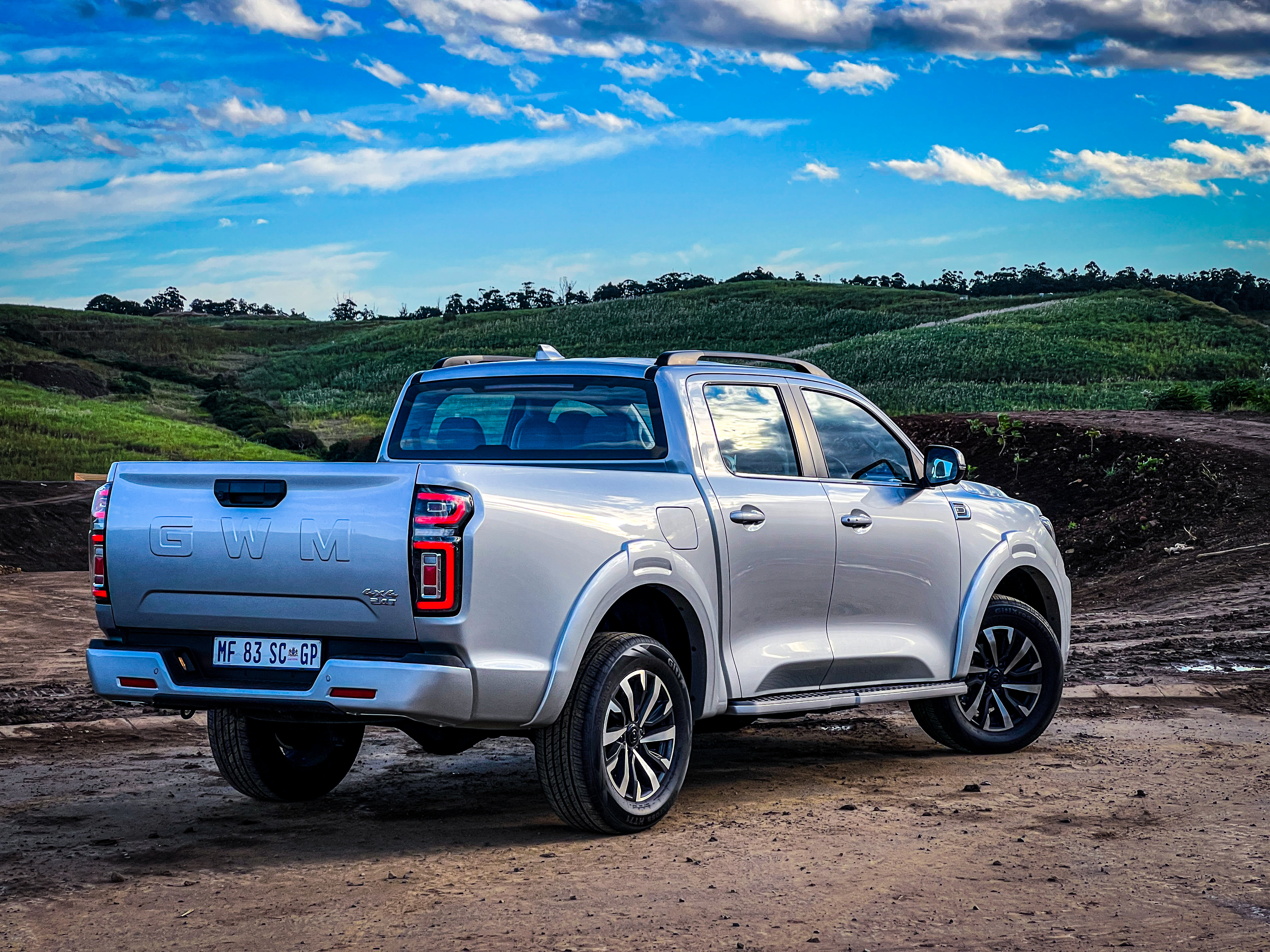
Bucket Seat: GWM P300 LT


The love affair that South African motorists have with bakkies needs to be studied. I say this because a good 50% of the bakkie drivers don’t use the bakkie for it’s intended purpose, they buy it as an everyday car which is why you’re seeing more and more luxury elements filtering into what used to be a workhorse type of vehicle. Majority of the bakkie drivers don’t use bin, barely go off-roading and a lot just buy a tonne of fancy accessories to make their bakkie stand out more from the next. The most action these bakkies face is climbing pavements. Now I know I’ve been slandering the bakkie drive a lot in this introduction but for someone who drives multiple types of cars, I just feel that bakkies are not practical family cars. However, every time I get a bakkie rolling into my driveway, I do get excited and in this review I’ll tell you why. Not too long ago I spent some times with the GWM P300 double cab, a bakkie that’s shook the local market sending a shock wave to the likes of Toyota, Ford and Isuzu whom have been dominating the market for some time, the Chinese have already made their mark in the SUV segment so now they’re setting their eyes on the much loved bakkie with this P300.


DESIGN

The P300 is no stranger to SA with it being the talk of the market since it was launched 4 years ago. It’s managed to gain traction due to its offerings and attractive price but the looks department hasn’t changed drastically since. With minor updates to the car over the years, it still remains an attractive offering, and with the latest LT model you can see the cosmetic work done to it is anything but subtle. The flared wheel arches make it quite prominent, the bolder grille and GWM badge sits more proud on the front. A more neater front bumper which follows the lines of the grille keep the front end symmetrical all while looking rugged and capable for action. The size of the van really does surprise you when you get up close to it. The use of more bolder colours and higher quality materials makes this van look a lot more premium, the extra additions like roof rails and the very handy step ladder that deploys from the tail gate for easy access into the bin. On the inside, one would be mistaken for being in a luxury SUV, the layout is simple but classy, something very different from what we are used to in a "workhorse". 


PERFORMANCE

The P300 LT comes in one engine derivative, being the 2.4L Turbo Diesel, this being the same engine that featured in the Tank 300 that I had previously. The two models vary in terms of drive, with the entry level being a 4 x 2 and the range topping being 4 x 4, both have a 9-speed automatic gearbox that works superbly with the drive train, without the normal issues that plagued the previous models. The engine derives 135kW and 480Nm of torque, which is powerful numbers. GWM claim the 4 x 4 model has a fuel economy of 8.0L per 100km, which wasn't that hard to achieve, the diesel motor makes a world of difference and with out any load and calm driving around town is what helped me get to around that figure. Once you start loading the bin and cabin, it might be a different story. The P300 LT comes with 18" alloys which are wrapped around with 265 all terrain tyres, the front suspension is a double wishbone type with the rear being leaf spring rigid axle. The off-road controls very easy to engage with most of them being a push of a button and with the new off-road display on the infotainment screen it makes it all that more simpler to conquer tougher terrains. 


COMFORT

As mentioned earlier, the cabin of the P300 LT is akin to a luxury SUV, with high quality and robust materials used to adorn it. The new layout is very modern, feature two screens, a 9-inch digital instrument cluster and a 12.3-inch multi-touch infotainment screen. The user interface is simple to use and very touch sensitive, so making it easy for the driver to access items while driving. The car has Bluetooth connectivity, wireless mobile app connectivity which includes Android Auto and Carplay. It has a 6-speaker sound system which is quite good and also has speed-sensing speaker volume adjustment which automatically increases the volume ever so slightly when going at higher speeds to compensate for the road noise. The P300 LT comes with climate control and front seat heating, these are all adjusted from physical buttons and not via the touchscreen. The front console has a USB A and USB C port as well as a wireless charging tray. there is a fair amount of storage compartments up front for cup holders with a slide tray under the arm rest for you to store keys and remotes. The back, as per most double cabs does not have the most room but it is sufficient for two adults to sit comfortably with USB charging ports and ventilation for the passengers. the biggest surprise would be the sunroof, its the first time I've ever seen a bakkie that comes with a sunroof!  The bin is sizable but I'm a bit disappointed that it didn't come with an auto roller shutter or any power outlets like most of the other bakkies on the market. 


VERDICT

Ultimately the P300 LT is still here to do the job the original P Series has been doing and that is disrupt the market. Its offerings are unique and very attractive but what will draw more people to it is the price. When GWM first introduced this model to the market, it had its skepticism on how long it would fair in terms of reliability and performance and to its credit, most of which have been sold are still going strong. So you be the judge of that, the Chinese are really coming in hard and fast, but with brands like GWM who have firmed themselves in the country, there isn't that worry about reputation or after sales services because of their wide dealer network. I think the jury on the Chinese cars could be making a decision very soon given the number of new brands and models coming into the country and the market being very open to try them out. This particular model for me is a winner and while many still might prefer their trusted Hilux or Ranger, that  saving of close to 300K is very enticing.  

SPECIFICATION

Engine
2.4L Turbo Diesel
Gear Box
9-Speed Automatic
Torque
480Nm 
Power
135kW
Fuel Economy
 8.0L/100km
Price
R649,900


Friday, June 27, 2025

Bucket Seat: ISUZU M-UX 3.0 Diesel


The Isuzu MU-X 3.0 is a tough, family-friendly SUV that’s built for both the school run and the great outdoors. With a bakkie-like base (it shares parts with the D-Max), it’s designed for people who need space, power, and reliability—whether you’re heading into town or tackling a gravel road in the Karoo.


DESIGN

From the outside, the MU-X looks bold and serious. It has that tough "bakkie DNA" but with smoother edges and modern touches. The LED headlights, big chrome grille, and raised stance give it presence on the road. Inside, it's not flashy like some European SUVs, but it’s clean and practical. You get soft-touch panels, leather seats on higher trims, and a smart layout. There’s space for seven, and the boot is decent even with the third row up. Fold those back seats flat, and it turns into a camping dream.


PERFORMANCE

Under the bonnet is Isuzu’s well-known 3.0-litre turbo diesel engine. It pushes out 140 kW and 450 Nm, which gives it enough muscle to carry a full load of passengers or tow a trailer or caravan. It’s not the fastest off the line, and you’ll hear the diesel growl, especially when you floor it—but it’s dependable, smooth enough, and made to last. The 6-speed automatic gearbox does the job well, although not as silky as some rivals. On the road, it cruises comfortably. On gravel or off-road, it shines even more—especially in the 4x4 versions. Add in the rear diff lock and hill-descent control, and it feels ready for any trip to the bush or towing a boat to the dam. Real fuel use: around 9–11L/100km, depending on how and where you drive. In short: Strong, capable engine. Built more for endurance than speed.


COMFORT

The MU-X is made for long trips. The suspension is tuned more for rough roads than pothole-free highways, so it can feel a bit firm—but nothing too harsh. It’s more comfortable than a bakkie, less floaty than some SUVs. Seats are supportive, and the driving position is high—giving you a good view. The second row is spacious, and the third row is okay for kids or short adults. Aircon vents are available in all three rows (a must in SA heat), and the Onyx and LSE models have things like electric seats, keyless entry, a big touchscreen with Apple CarPlay/Android Auto, and a powered tailgate. Only gripe: the infotainment system can be slow, and there's no physical volume knob. It’s minor, but noticeable.


VERDICT

The Isuzu MU-X 3.0 Diesel is not trying to be a flashy city SUV. Instead, it offers solid value, strong towing ability, great off-road skills, and reliable performance. It’s ideal for people who want a vehicle that can do it all—from fetching kids to escaping the city for a weekend away. If you’re comparing it with the likes of the Toyota Fortuner or Ford Everest, the MU-X is often more reliable, slightly cheaper to run, and has a reputation for lasting forever. It may not be as tech-loaded or silky smooth, but it nails the basics—and does so with confidence.


SPECIFICATION

Engine
3.0L Diesel
Gear Box
6-Speed Automatic
Torque
450Nm 
Power
140kW
Fuel Economy
 7.6L/100km
Price
R852,600


Thursday, April 3, 2025

Bucket Seat: Haval H7


Haval has become quite a common brand known in the local market, with them capatilizing on the ever growing SUV market with popular and affordable models like the Jolion, H6 and the H6 GT. Sitting on the GWM umbrella which has been on the scenes for over 10 years, consumers have warmed to the idea that everything made in China can't be all that bad and they were not wrong. The cars are great quality, plenty performance, tech packed and overall bang for your buck. If I had to nitpick, the high fuel consumption would be the one downside to them but with the change from CVT to DCT in most of the Chinese imports, this seems to be solving that problem. The Haval H7 has recently entered the South African market, offering a distinctive blend of rugged design, modern technology, and robust performance. This mid-size SUV is positioned between the H6 and H9 models, aiming to cater to families and adventure enthusiasts alike.


DESIGN

The H7's design is characterized by a boxy, retro-inspired profile that exudes a rugged charm. It features a prominent three-tier grille flanked by circular LED headlights, contributing to its bold front fascia. Standard 19-inch alloy wheels housed within flared wheel arches and functional roof rails enhance its adventurous appeal. Despite its robust appearance, the H7 maintains a contemporary aesthetic that aligns with current SUV trends. ​The design says it's ready for the roads less traveled, that along with the flared wheel arches and rugged tyres, it gives off that explorer look. While the front is pretty attractive, I feel they tried to force the design of the rear a bit too much by trying to incorporate the circular light theme there as well. Just seems a bit unpolished to me. 


PERFORMANCE

Under the hood, the H7 is equipped with a 2.0-litre turbocharged petrol engine that delivers 170 kW and 380 Nm of torque. This powerplant is paired with a 9-speed wet dual-clutch transmission, providing smooth and responsive shifts. The H7 is available in both front-wheel-drive and all-wheel-drive configurations, catering to different driving preferences and conditions. ​On the road, the H7 offers a balanced ride quality, effectively absorbing most road imperfections. The suspension setup, while occasionally firm, contributes to stable handling and a comfortable driving experience. The cabin remains quiet, enhancing the overall sense of refinement during travel. ​While official fuel consumption figures are yet to be confirmed, the H7's engine is engineered for a balance between performance and efficiency. While I only spent a week with it, I hardly drove around as I was away for most of the time but in my short time with it I couldn't get the average below 13.9L per 100km, which won't do any good for the high fuel usage taboo placed on the brand already but one must understand this car is much bigger and heavier, akin to a Jeep so with this in mind, that average is pretty on brand for a car like that.


COMFORT

Inside, the H7 offers a spacious and well-appointed cabin designed with comfort and convenience in mind. High-quality materials are used throughout, and the layout is both functional and aesthetically pleasing. The infotainment system is A key focal point of the interior as its a massive 14.6-inch screen that is user-friendly and supports smartphone integration wirelessly. Ample legroom and headroom ensure comfort for all occupants, making it suitable for long journeys. ​The H7 comes equipped with a comprehensive suite of safety features, including multiple airbags, electronic stability control, and advanced driver-assistance systems. These technologies enhance driver confidence and passenger safety, aligning the H7 with competitors in its segment. ​The comfort access of having proximity sensor with automatic tailgate is a really winner in this car. Works much better than some of the German variants. 


VERDICT

The Haval H7 stands out in the mid-size SUV segment with its distinctive design, robust performance, and well-appointed interior. Its combination of rugged aesthetics and modern features makes it a compelling option for those seeking a versatile and stylish vehicle. As Haval continues to establish its presence in South Africa, the H7 exemplifies the brand's commitment to delivering quality and value to consumers. With the adventure mindset that most South Africans have, I believe this model will do well locally, its the first real "off road" offering from a Chinese brand locally and apart from it looking the part, it really feels it too. I tested it in some tricky situations from traversing up steep gradients on loose gravel to flooded roads and it excelled in every aspect. The off road controls are easy to use and engage via the touch screen including the Electronic Differential Lock and the 360 degree camera allows you to see everything around you, to avoid any obstacles or the area around you. A much needed model to their already impressive line-up.


SPECIFICATIONS

Engine
2.0Turbo Petrol
Gear Box        
9-Speed DCT
Torque
380Nm
Power
170kW 
Avg Fuel Economy    
no official rating
Price
R601,950*  base model